Amalgam Instruments
Articulators
Bone Curettes
Bone Files
Bone Rongeurs
Cavity Preparation
Cement Spatulas
Cotton and Dressing Tweezers
Crown Removers
Dental Syringes
Endodontic Instruments
Excavators
Explorers And Probes
Filling Instruments
Gum Scissors
Impression Trays
Matrix Retainers
Mirror Handles
Mouth Gags And Retractor
Needle Holders
Orthodontic Pliers
Periodontia Instruments
Root Elevators
Rubber Dam Punch & Clamps
Scalers
Separating Spatulas
Single And Double End Explorers
Tooth Extracting Forceps | (AMR)
Tooth Extracting Forceps | (ENG)
Wax And Modelling Carvers
X-ray Holders
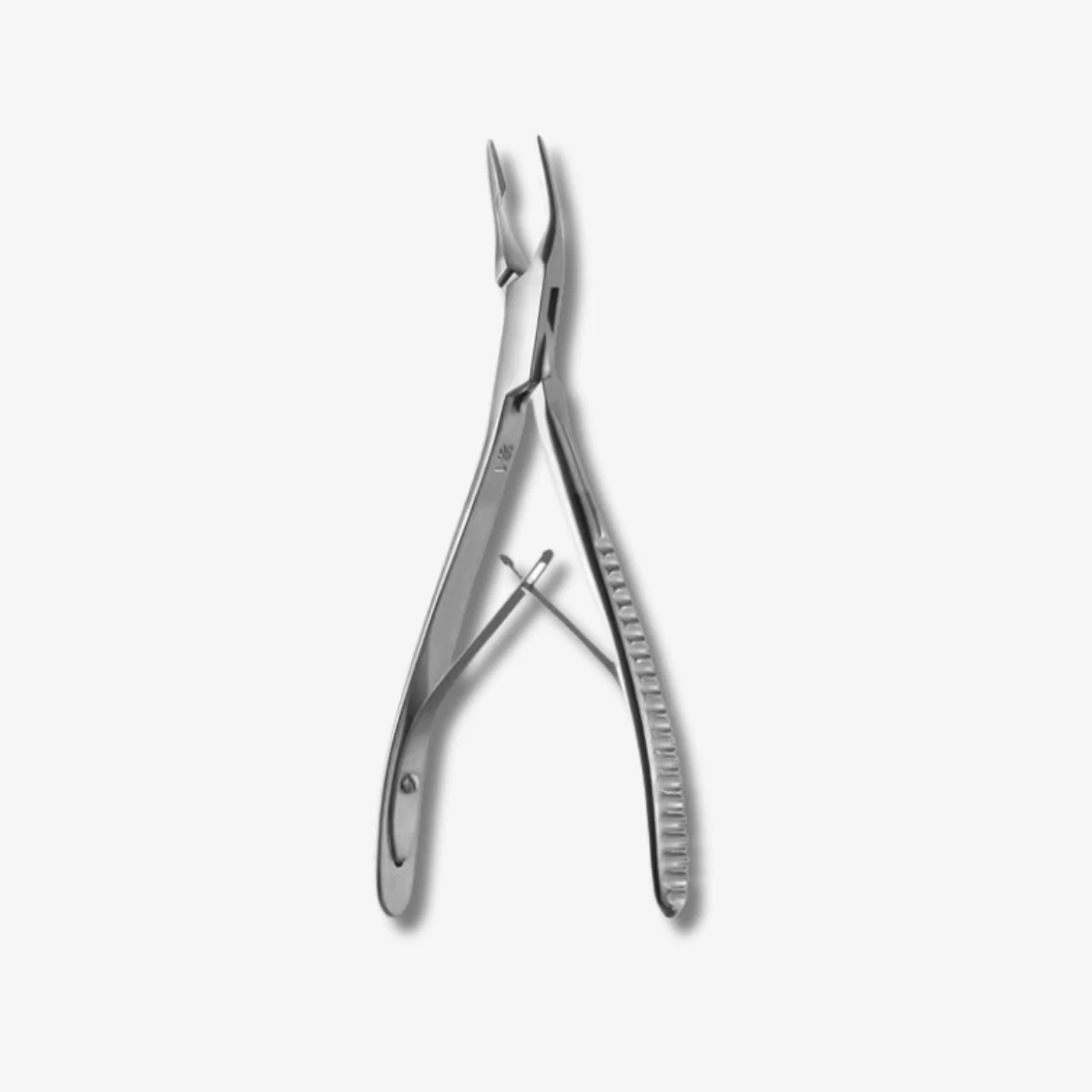
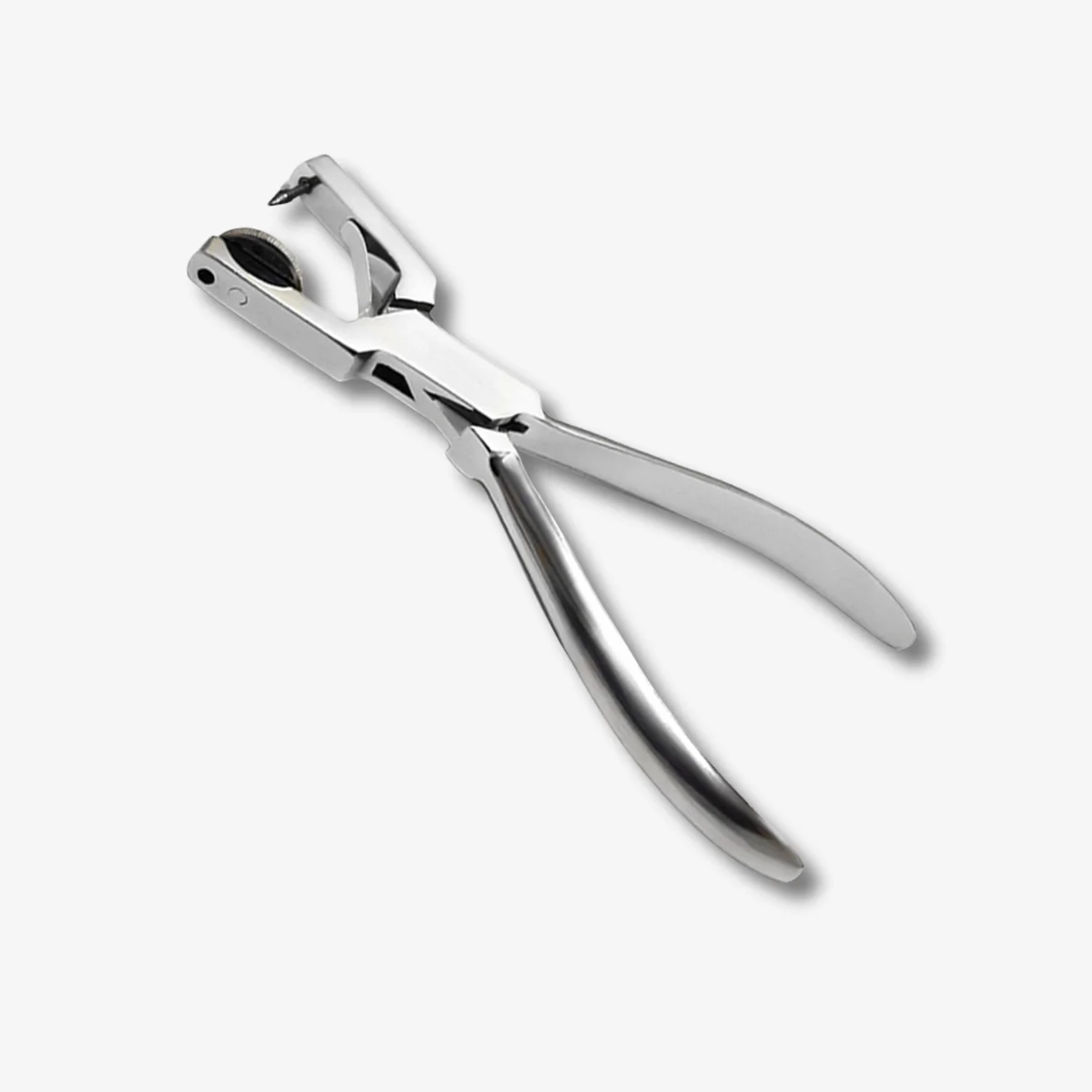
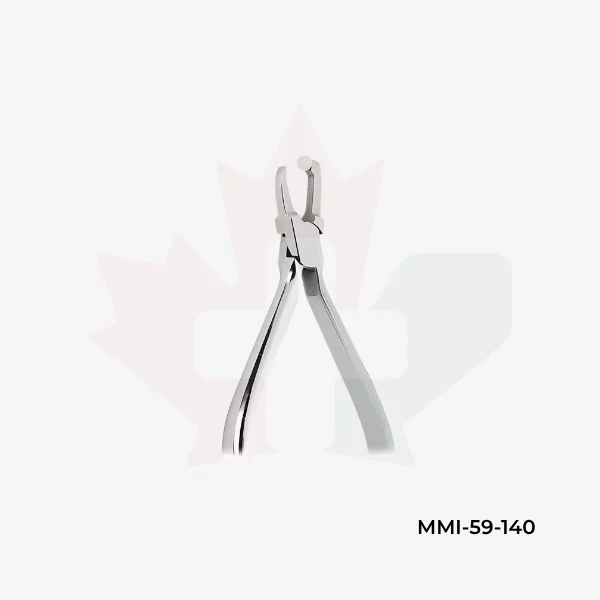
The Posterior Band Removing Pliers are professional orthodontic instruments designed for the safe and controlled removal of posterior orthodontic bands. Manufactured from premium surgical grade stainless steel, they feature a precision removing beak, replaceable round plastic bite pad, box-joint construction, and ergonomic handles for maximum control and patient comfort. Fully autoclavable, corrosion-resistant, and reusable, these pliers provide dependable performance for orthodontists while protecting enamel during molar and premolar band removal.
Fill out your details below and our team will provide a custom commercial quotation.
Crafted from high-quality surgical stainless steel.
Smooth finish for reliable clinical performance.
Comfortable grip for improved control and handling.
Built for durability and repeated professional use.
Fully autoclavable for safe and efficient sterilization.
| Specification | Details |
|---|---|
| Product Name | Posterior Band Removing Pliers |
| Instrument Type | Orthodontic Band Removing Pliers |
| Model Number | MMI-59-140 |
| Pattern | Posterior Band Remover |
| Material | Premium Surgical Grade Stainless Steel |
| Finish | Satin/Matte Finish with Polished Working Ends |
| Handle Type | Ergonomic Straight Handle with Box Joint |
| Working Ends | Precision Removing Beak with Replaceable Plastic Bite Pad |
| Tip Design | Narrow Removing Beak Opposing Round Plastic Bite Pad for Controlled Posterior Band Removal |
| Overall Length | Approximately 170 mm (6.75″) |
| Corrosion Resistance | High resistance to rust, stains, and corrosion |
| Sterilization | Fully Autoclavable and Reusable (Plastic Bite Pad Replaceable) |
| Application | Removing posterior orthodontic bands from molars and premolars with minimal patient discomfort while protecting tooth enamel |
| Compliance | Manufactured according to international surgical instrument quality standards |
The Posterior Band Removing Pliers are precision-engineered orthodontic instruments designed for the safe, controlled, and efficient removal of posterior orthodontic bands. The MMI-59-140 model features a narrow precision removing beak paired with a replaceable round plastic bite pad that acts as a fulcrum on the occlusal surface, allowing clinicians to lift orthodontic bands with controlled force while minimizing stress on the tooth and surrounding tissues.
Manufactured from premium surgical grade stainless steel, these pliers provide exceptional durability, superior mechanical strength, and excellent resistance to corrosion, staining, and repeated autoclave sterilization. The precision-machined working ends ensure reliable engagement beneath orthodontic bands, providing smooth removal while helping preserve enamel integrity and reducing the risk of patient discomfort.
The precision box-joint construction offers smooth jaw movement, consistent alignment, and dependable long-term performance. Ergonomically designed handles provide excellent leverage and tactile control, reducing operator fatigue during repetitive clinical procedures. The replaceable plastic bite pad enhances patient comfort by protecting the occlusal surface during band removal. Fully autoclavable and reusable, the Posterior Band Removing Pliers are indispensable instruments for orthodontists and dental professionals performing routine orthodontic debonding procedures.
To maintain the performance, appearance, and service life of your stainless steel dental and surgical instruments, follow these care guidelines: