Dental Instruments & Supplies

SKU: MMI-64-234
Availability: In Stock

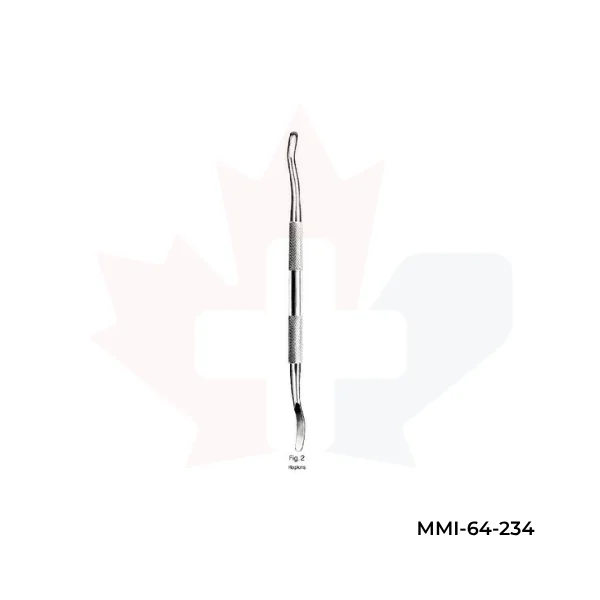
Hopkins Periosteal Raspatory Elevator Fig. 2

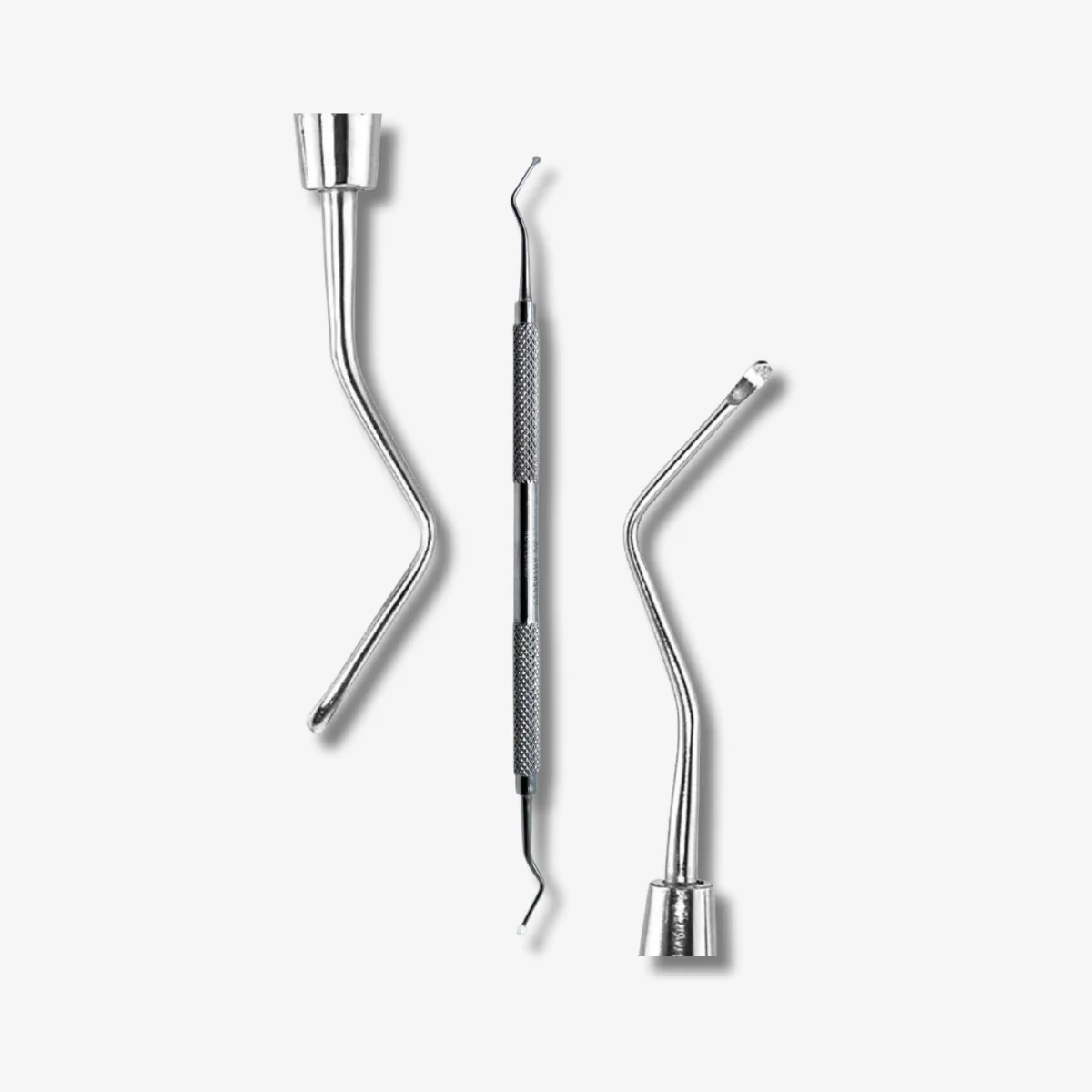
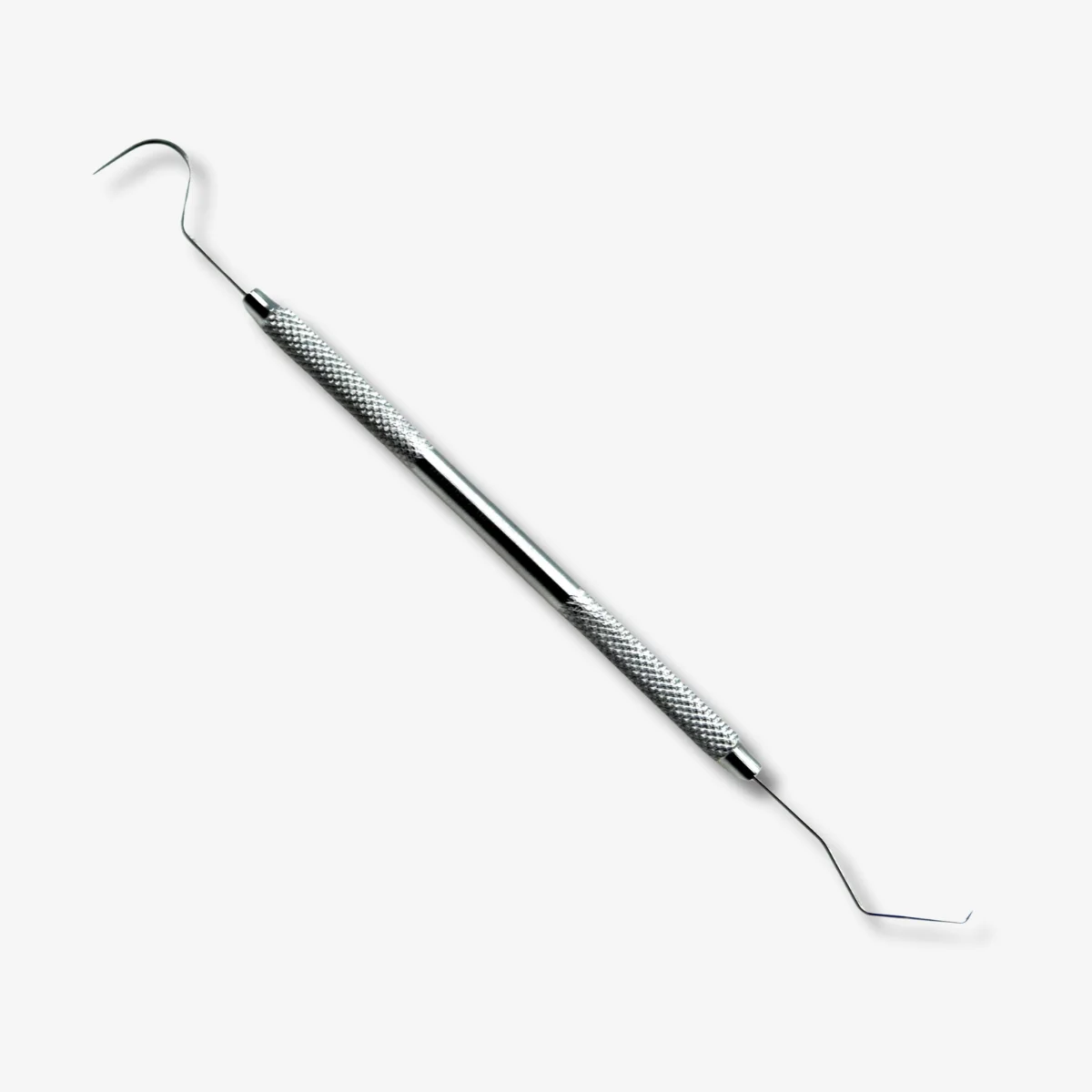
The Hopkins Fig. 2 Periosteal Raspatory / Elevator is a double-ended oral surgical instrument featuring curved, spatula-like working ends, long terminal shafts and a cylindrical knurled handle. Designed for periosteal elevation and manipulation, its two working ends provide different curved orientations for access during oral surgical procedures. The textured handle supports controlled manual handling, while the stainless steel construction makes it suitable for professional surgical instrument sets and routine sterilization.

Quantity:
0
My Custom Kit 0 items configured

Review Kit (0 items)

  • Your kit is currently empty.

Surgical Grade Material

Crafted from high-quality surgical stainless steel.

Precision Finish

Smooth finish for reliable clinical performance.

Ergonomic Design

Comfortable grip for improved control and handling.

Long Service Life

Built for durability and repeated professional use.

shield-check

Easy Sterilization

Fully autoclavable for safe and efficient sterilization.

Technical Specifications
Specification Details
Product Name Hopkins Periosteal Raspatory / Elevator, Fig. 2
Model Number MMI-64-234
Instrument Type Periosteal raspatory / elevator
Pattern / Figure Hopkins Fig. 2
Design Double-ended periosteal instrument
Application Periosteal elevation and manipulation during oral surgical procedures
Working Ends Double-ended
Tip Design Curved, spatula-like working ends
Working Profile Curved and angled working profiles
Shaft Long, curved terminal shafts
Handle Cylindrical knurled handle
Material Surgical Grade Stainless Steel
Finish Metallic finish
Construction Double-ended hand instrument
Sterilization Autoclavable
Reusable Yes
Application Area Oral Surgery / Periodontal Surgery

Description

The Hopkins Periosteal Raspatory / Elevator Fig. 2 is a double-ended oral surgical instrument designed for periosteal elevation and manipulation during dental and oral surgical procedures. The supplied image provides direct identification through the visible “Fig. 2 Hopkins” marking beneath the instrument. The catalogue/model number printed separately is MMI-64-234.

The instrument features two curved, spatula-like working ends connected to a long shaft and cylindrical knurled handle. The two working ends have different curved orientations, providing alternative approaches during surgical instrumentation. Professional instrument catalogues identify Hopkins Fig. 2 as a periosteal instrument.

Manufactured from Surgical Grade Stainless Steel, the instrument is suitable for repeated professional use and routine autoclave sterilization. Its double-ended configuration provides two working profiles within a single periosteal instrument.

To maintain the performance, appearance, and service life of your stainless steel dental and surgical instruments, follow these care guidelines:

  • Clean instruments immediately after use to prevent blood, tissue, or debris from drying on the surface.
  • Wash using a neutral pH enzymatic detergent and a soft nylon brush. Avoid abrasive pads, steel wool, or harsh chemicals.
  • Rinse thoroughly with distilled or demineralized water to minimize mineral deposits and corrosion.
  • Dry completely before sterilization or storage, paying special attention to hinges, joints, and serrations where moisture can accumulate.
  • Lubricate hinged and moving instruments regularly with a medical-grade, steam-permeable instrument lubricant to ensure smooth operation.
  • Sterilize using validated autoclave procedures or other approved sterilization methods according to healthcare facility protocols and the instrument’s intended use.
  • Store instruments in a clean, dry environment with tips and cutting edges protected from impact or contact with other instruments.
  • Inspect instruments before each use for wear, corrosion, misalignment, or damage. Remove any defective instrument from service until repaired or replaced.
  • Do not expose stainless steel instruments to bleach, strong acids, high-chloride solutions, or prolonged soaking, as these may cause staining, pitting, or corrosion.
  • Use each instrument only for its intended purpose to preserve precision, functionality, and patient safety.
  • Hopkins Fig. 2 periosteal instrument pattern.
  • Visible “Fig. 2 Hopkins” identification marking.
  • Double-ended instrument configuration.
  • Two curved, spatula-like working ends.
  • Different orientations of the working ends.
  • Long curved terminal shafts.
  • Cylindrical handle design.
  • Knurled gripping surfaces for controlled manual handling.
  • Surgical Grade Stainless Steel construction.
  • Individually poly packed
  • Non-sterile
  • Reusable medical instrument